M’ranao: Preserving the Culture and Identity through Resilience
“It’s in the path of rediscovering and knowing your true identity that you can be the best version of yourself”
By Isnihaya Benumbaran
While walking the streets of Jakarta, my thought winded up to Lanao Del Sur specially Marawi city. Every encounter with the locals bring a rediscovery of my own identity. With the reflection of the once united ancestral identity of Indo-Malay; features, language and foods have similarities. Part of my studies here is the language which I surprisingly stumbled upon a lot of similarities with Tagalog mixed with local and tribal languages in different parts of the Philippines. But with this mesmerizing discovery, I can’t help but question how can we maintain the self-identity when the things that makes us who we are have turned into ashes and just like that, it went with the wind.
While walking the streets of Jakarta, my thought winded up to Lanao Del Sur specially Marawi city. Every encounter with the locals bring a rediscovery of my own identity. With the reflection of the once united ancestral identity of Indo-Malay; features, language and foods have similarities. Part of my studies here is the language which I surprisingly stumbled upon a lot of similarities with Tagalog mixed with local and tribal languages in different parts of the Philippines. But with this mesmerizing discovery, I can’t help but question how can we maintain the self-identity when the things that makes us who we are have turned into ashes and just like that, it went with the wind.
Who are We?
First day of our classes here in Jakarta we were asked to introduce ourselves and as a normal expression from fellow-Filipino when I mention Marawi, my Indonesian classmates had the same expression – “Marawi siege?” but aside from the “Syrian looking disaster” that Marawi is attributed to, there is a culture, tradition and foods that is very unique and preserved from a hundred years of identity.
Lanao Del Sur is one of the provinces of Bangsamoro Autonomous Region in Muslim Mindanao (BARMM) with Marawi city as its capital ranging 33.80 square meter reaching the northern boundary of Saguiaran; to the east lies its brother municipality Ramain; to the west situated Marantao and by the south lies Lake Lanao which has been the source of marine life, water and hydropower plant throughout Lanao Del Sur and Norte. M’ranao (M-ranao) implies two words M’ and Ranao which respectively means “People” and “Lake” thus M’ranao are those people living near the lake (Lake Lanao).
Culture and Tradition
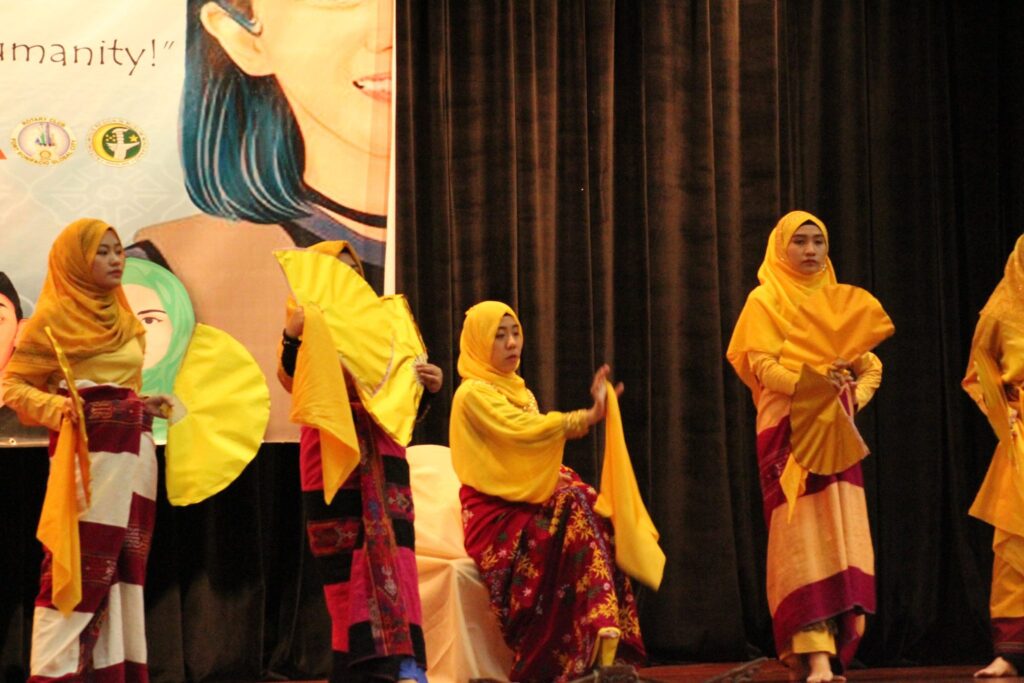
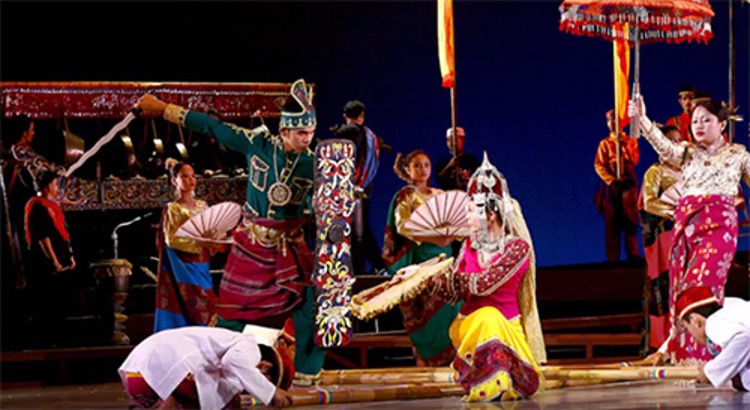
Kasayaw sa Singkil or also known as Singkil is the M’ranao famous folkdance
reflected as one of the episodes of Darangen (M’ranao Literature).
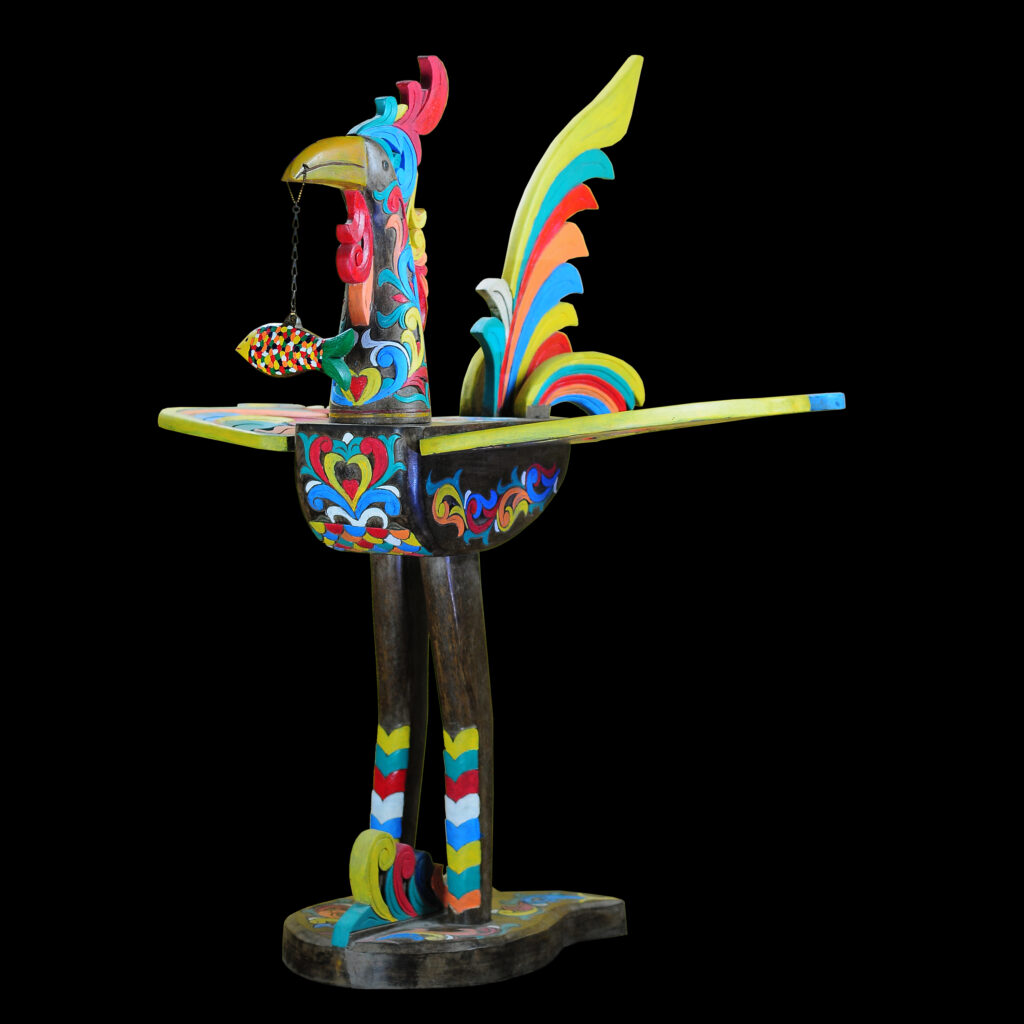
Okir is the M’ranao term for Geometry which explains why the carving style of M’ranao are geometrically motivated, Okir has the same meaning with Indonesian word Ukir which means carving. Usually, the carvings are symbolized by the Sarimanok or Papanok a Mra (Mara Patik) which is the legendary bird of M’ranao depicted to a rooster. Carvings can be seen in traditional Malong (Landap), arts and house design.
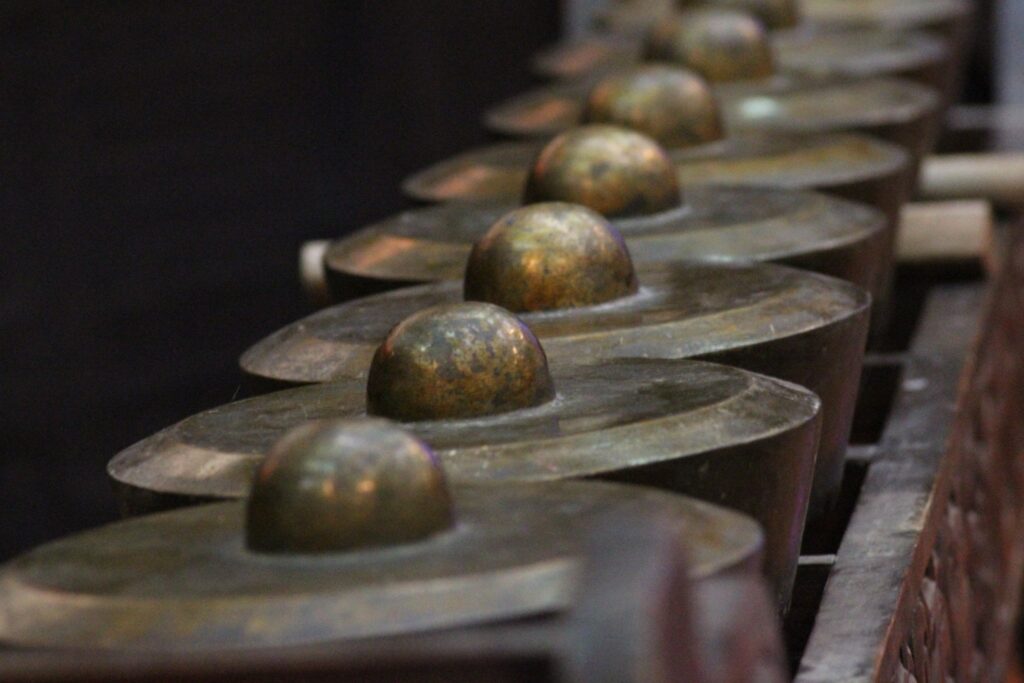
Kulintang is the Maranao style of a Gong music with 8 gongs of different sizes. Biyula resembles that of modern flute while Kobbing is the same with Philippine Jaw harp that is made from bamboo. There is also a traditional way of singing called “Kambayok” but this was created according to my grandmother to pass down the history and literature of M’ranao in songs which explains why most researchers are having a hard time looking for a written traditions and culture of M’ranao because our ancestors used to pass it through Kambayok.
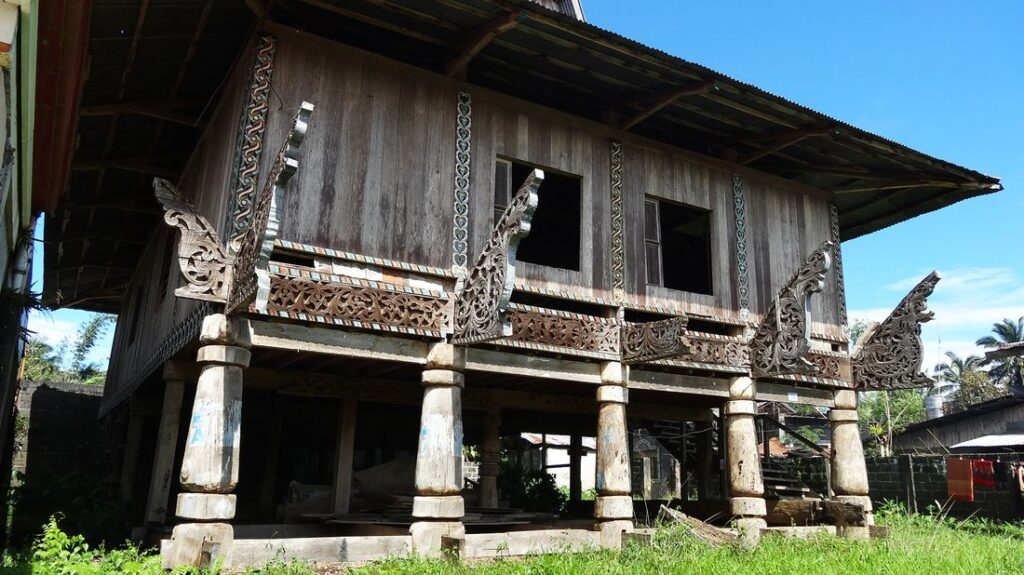
Torogan is a traditional House for royalty and symbol of High social status like Datu and Sultan. Usually this house is typical studio type with no partition inside, the reason is its use as a social hall for gathering.
Kakhawing mostly marks 3 days with different activities every day before the final day of the wedding. There are social activities and feast during these days. Games are mostly done like “Kasipa sa Manggis or Kasipa sa Lama” which is like the famous game Sipa but this game is done using Landap and by the male of the family. There is also a game called Kaplagod which most M’ranao attributes to Horse Racing.
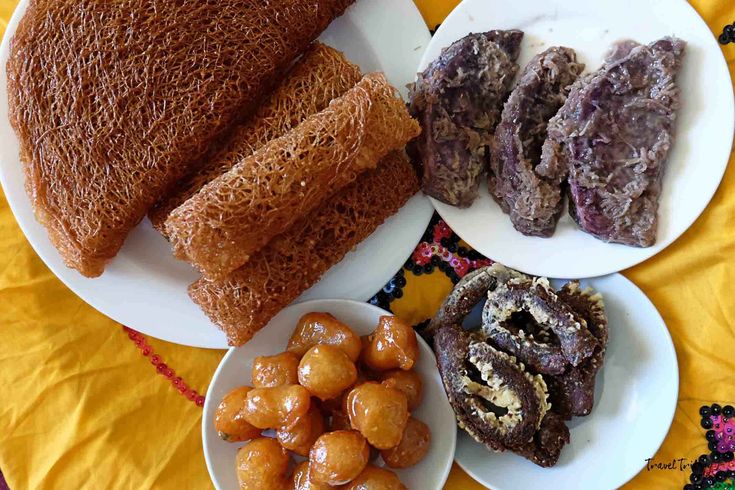
The very known cuisine of M’ranao would be the “Palapa” which is a condiment but used mostly as a separate appetizer, this is similar to how Koreans perceive Kimchi in their table. There is also Mamis which is the M’ranao term for matamis; these disserts are very important for M’ranao as it is served in different social gathering from weddings, house-warming, feast after child birth until the Diyaga or Kanduwali which resembles that of Lamay in tagalog term (M’ranao usually serve the people during this time). Obviously, Food has been with M’ranaos from life to death.
Values
M’ranao values education especially higher Educations and Marawi is home to the very first University created during 1960’s – “Mindanao State University” that have seven branches scattered throughout the archipelago but even though the purpose of this college was to solve the “Mindanao Problem” it doesn’t only cater to Muslim students but the Philippines as a whole. Aside from higher Education, there is also a back to back learning of Islamic studies during weekends and Academic classes in weekdays from kindergarten to high school depending on the choice of the student or their parents, the purpose of this is to educate the youth on both their religion and academics.
Marawi is also known to be the only “Islamic City” in the whole Philippines due to their conservative view of religion and way of living compared to other Muslim tribes in Mindanao. If you want to visit Marawi, you don’t necessarily need to wear veil but in terms of the clothing, there are rules in length preferably clothes below the knees and t-shirts are acceptable for tops; this is because most of the students in MSU main campus are Christians.
Katutunganaya (Family-Oriented) and Kapapagariya (Brotherhood) is also one of the values of M’ranao. This is indicated in how they perceive the presence of their relatives and friends during social gathering especially when there are Kakhawing (wedding), relatives are obliged to help the male in their family who are financially incapable in terms of the dowry he will give to the girl he wants to marry. This value can also be seen when there is Kanduwali (Mourning) that M’ranaos are obliged to visit the family who mourns preferably every day.
The zero Kilometer in Mindanao is situated in Marawi city which means that this is the original reference point of all the roads in Mindanao. I remember my grandmother telling me stories of their youth, they used to make embroideries like “Langkit” designs for traditional Malong called “Landap” and Americans, Indians, Chinese, Malays and Indos who pass by Marawi for barter would exchange their products for this unique traditional textile. Ina’ (M’ranao term for mother or Grandmother) would reminisce the old times when they were playing around with other kids from other nations.
Marawi is a very friendly city with M’ranaos and Non-M’ranaos residing within the capital and it is open to any visitor or tourist so long as they contact tour guides who will guide them within the area they wished to go to.
Resilience
Following the destruction of the only commercial center and source of economics and trade within Lanao Del Sur; along with its traditional mosques; houses; artifacts and things that is making us who we are, we are still alive and will continue to be proud of our culture and tradition. Days after the first fire, M’ranao managed to create a local market alongside the highway of Saguiaran complete with all the necessities of a city. Despite the on-going war we didn’t have a choice but to continue living with positivity, M’ranao are still positive of the future – “We are still positive of the future!”
Photo Credits & Copyright Notice:
Images featured in this post are the property of their respective copyright holders. They are used for informational/editorial purposes only. No copyright infringement intended.