Author: trivoasiamagazine

  • Why Authentic Asian Voices Matter in Modern Media

    Why Authentic Asian Voices Matter in Modern Media

    In a media landscape shaped by speed, algorithms, and repetition, authentic Asian voices matter because they bring lived context back into the story. They help readers move beyond stereotype, beyond surface, and closer to the realities, creativity, and resilience that define communities across the region.

    Stories Rooted in Place

    Across Asia, communities carry living traditions, evolving identities, and local knowledge that deserve to be represented with care. Yet too often, mainstream narratives flatten complexity, overlook grassroots perspectives, or treat culture as a passing visual trend rather than a lived experience. At Trivo Asia Magazine, we believe media should do more than inform. It should listen closely, document responsibly, and create space for voices that speak from within the communities they represent.

    Our work begins with a simple conviction: authentic storytelling builds stronger cultural understanding. When readers encounter stories shaped by real experience, they gain more than information. They gain context, empathy, and a clearer view of how travel, heritage, advocacy, and values-led enterprise intersect across the region.

    Beyond Surface-Level Coverage

    Digital publishing moves quickly, but meaningful editorial work requires intention. It asks who is telling the story, whose perspective is centered, and whether the people represented are being treated with dignity rather than simplification. For Asian communities, this matters deeply. Representation is not only about visibility. It is about accuracy, nuance, and the right to define identity on one’s own terms.

    Authentic media does not simply describe communities. It helps communities speak in their own voice.
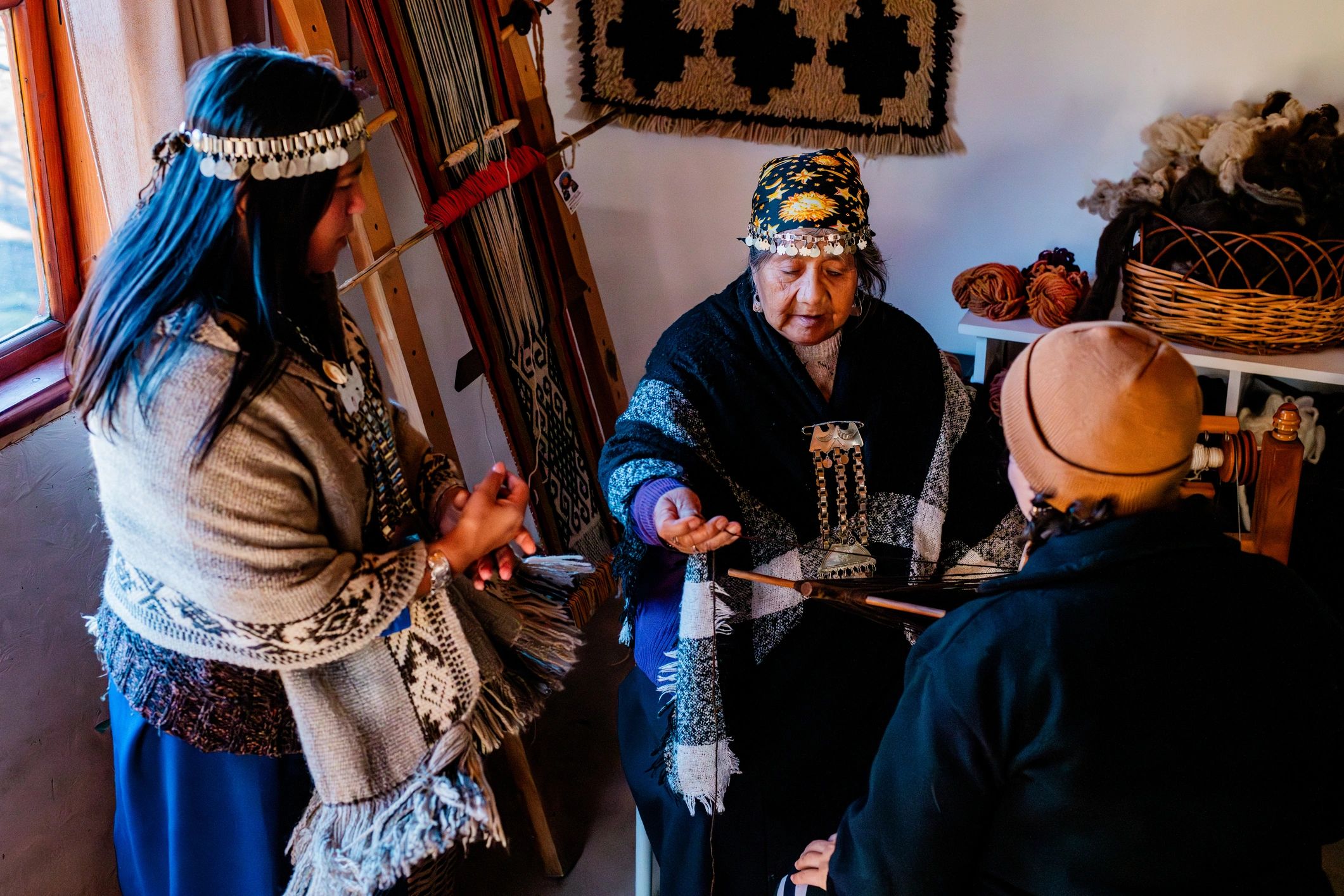
    Woman teaching traditional textile weaving in a community setting

    What Readers Can Expect

    • Stories grounded in local culture and lived experience
    • Features that connect travel, heritage, advocacy, and community enterprise
    • Editorial choices shaped by care, context, and respect

    For readers, this means a magazine experience shaped by curiosity, credibility, and connection. For communities, it means being represented in ways that honor complexity rather than erase it. And for Trivo Asia Magazine, it means continuing to build a platform where authentic Asian voices are not treated as an afterthought, but as the foundation.
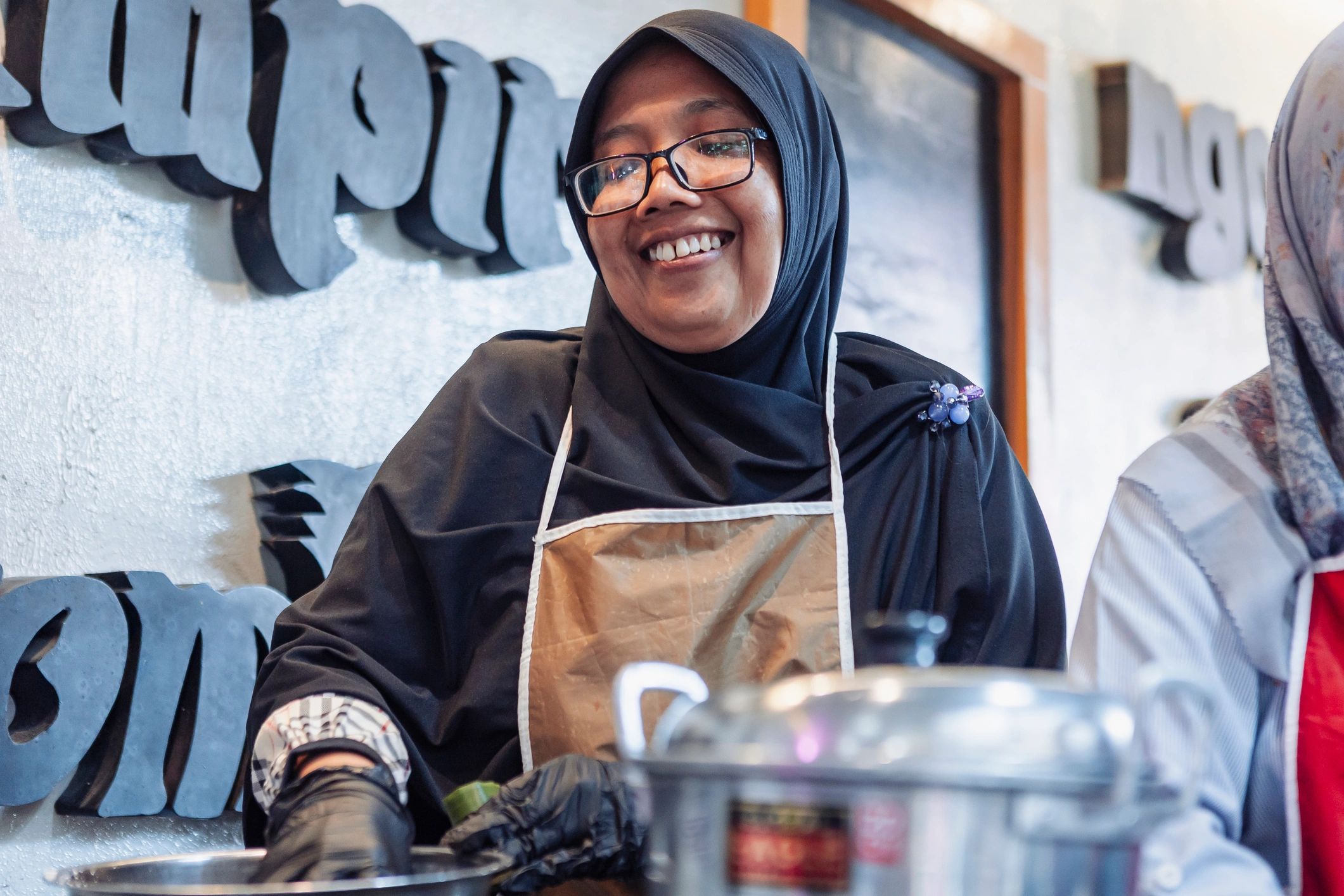
    Woman in cultural cooking workshop wearing a hijab

    A Platform With Purpose

    Founded in 2020, Trivo Asia Magazine was built to serve as a modern digital bridge between readers, advocates, artisans, and values-led enterprises across Asia. Our editorial direction is rooted in the belief that media can amplify culture, support advocacy, and create meaningful visibility for communities whose stories deserve to be told with depth and integrity.

    As we continue to grow, we invite readers to explore our stories, discover our marketplace, and engage with the people and ideas shaping a more connected, community-centered future.
  • The Rural Health Revolution: Why Aurora is Smiling Brighter This June

    The Rural Health Revolution: Why Aurora is Smiling Brighter This June

    In Aurora province, access to specialized dental care has often meant long travel, added expense, and unnecessary delay. In Maria Aurora, that reality is beginning to shift.

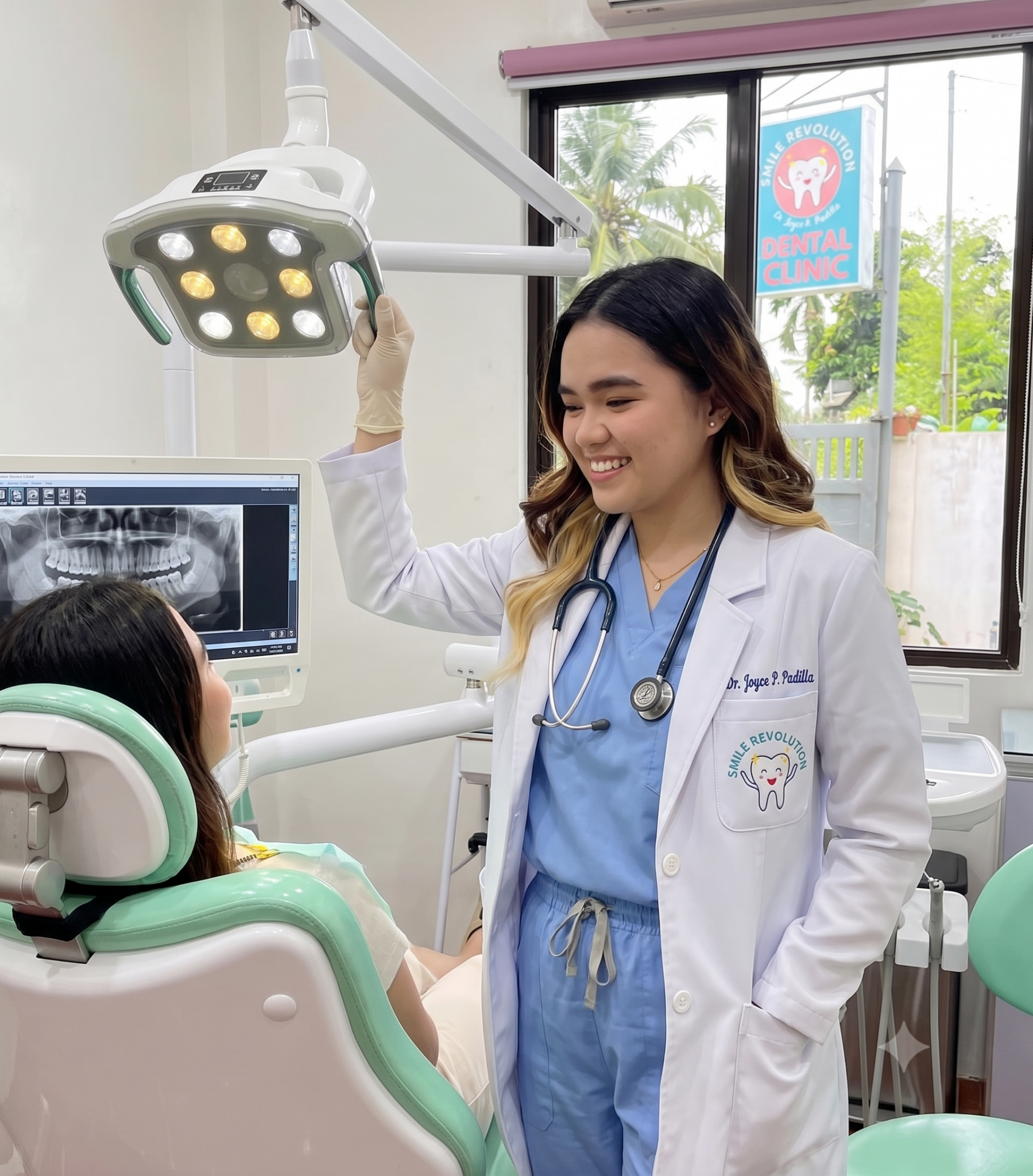
    Smile Revolution Dental Clinic, located along Farro Street in Barangay 4 near Saint Vincent Ferrer Parish Church and the Maria Aurora Public Market, is bringing modern dental services closer to home in a setting that feels polished, calm, and welcoming.

    Led by Dr. Joyce G. Padilla, the clinic reflects a broader movement in provincial healthcare: one that values accessibility, dignity, and high-quality treatment without asking patients to leave their communities behind.

    Bridging the Urban-Rural Divide

    Smile Revolution is equipped with digital dental X-ray technology that supports faster, more precise diagnosis and treatment planning. For patients in Aurora, this means access to advanced diagnostics without the burden of long-distance travel for imaging and consultation.

    Interior or treatment area at Smile Revolution Dental Clinic

    The clinic offers a broad range of services, from preventive care and restorative treatments to braces, dentures, and aesthetic dentistry. More than a business venture, its presence in Maria Aurora represents a practical investment in health equity for local families and surrounding communities.

    “Many patients are surprised to find this level of care available in their own town,” Dr. Padilla shares. “Our goal is to make modern, high-quality dental services accessible, affordable, and close to home.”

    By making advanced care available locally, the clinic helps challenge the idea that quality healthcare should depend on geography.

    A Resource for Visitors

    The clinic also serves an important role for visitors to Aurora. With Baler drawing surfers, travelers, and weekend tourists year-round, access to nearby dental care can make a meaningful difference during emergencies or sudden oral health concerns.

    Instead of cutting a trip short or returning immediately to Manila, patients can seek prompt treatment in Maria Aurora. That added layer of support strengthens not only local healthcare access but also the province’s readiness to care for both residents and guests.

    Dr. Joyce Padilla’s Community-Focused Care

    At the center of Smile Revolution is Dr. Joyce G. Padilla, whose professional path is shaped by both clinical training and a strong commitment to community service. She earned her Doctor of Dental Medicine degree from Centro Escolar University and continues to pursue updated training that keeps her practice aligned with modern standards of care.

    Rather than building her career solely in Metro Manila, Dr. Padilla chose to bring her expertise back to Aurora. Patients have come to know her not only for her credentials, but also for her gentle, reassuring approach, one that helps reduce fear and build trust among those who may have delayed treatment for years.

    “It is an act of courage, not shame, to step into a dental clinic for the very first time, no matter your age,” says Dr. Padilla. “There is absolutely no judgment here, only care, understanding, and the shared belief that starting today is infinitely better than never starting at all.”

    That message is especially important in communities where dental anxiety, cost concerns, or fear of embarrassment can keep people from seeking help. Smile Revolution’s approach makes room for compassion alongside clinical excellence.

    Rooted in the Community

    Despite its modern equipment, the clinic remains grounded in the warmth of local service. It is easy to find through Google Maps and Waze, and its atmosphere is designed to feel welcoming rather than intimidating.

    Operating Monday to Wednesday from 8:00 AM to 5:00 PM, the clinic serves entrepreneurs, professionals, public servants, and families through both scheduled appointments and walk-in care. Supporting patients at the front line is Janice, the clinic’s dental assistant, who helps ensure each visit feels organized, respectful, and personal.

    A Milestone Worth Marking

    Smile Revolution Aurora is set to celebrate its first anniversary on July 10, 2026, marking an important milestone in its continuing work in the province. The occasion reflects not only business growth but also the clinic’s expanding role in making quality dental care more accessible in the province.

    As the team looks ahead, the focus remains on deeper community outreach, continued innovation, and a model of care that proves excellent healthcare can thrive outside major urban centers.

    What once required an exhausting trip to the city can now be addressed much closer to home. In that sense, Smile Revolution is doing more than treating patients. It is helping redefine what rural healthcare can look like when access, trust, and quality are treated as shared priorities.

    Visit Information

    • Location: Farro Street, Barangay 4, Maria Aurora, Aurora, near Saint Vincent Ferrer Parish Church and Maria Aurora Public Market
    • Main branch: Sta. Rosa, Nueva Ecija
    • Hours: Monday to Wednesday, 8:00 AM to 5:00 PM (Temporarily by appointment only)
    • Appointments: Contact Janice at 09085693995
    • Facebook: Smile Revolution Dental Clinic
  • Integrated Bar of the Philippines – Nueva Ecija Chapter Signs Landmark Partnership with SKC Philippines to Strengthen Youth Access to Justice

    Integrated Bar of the Philippines – Nueva Ecija Chapter Signs Landmark Partnership with SKC Philippines to Strengthen Youth Access to Justice

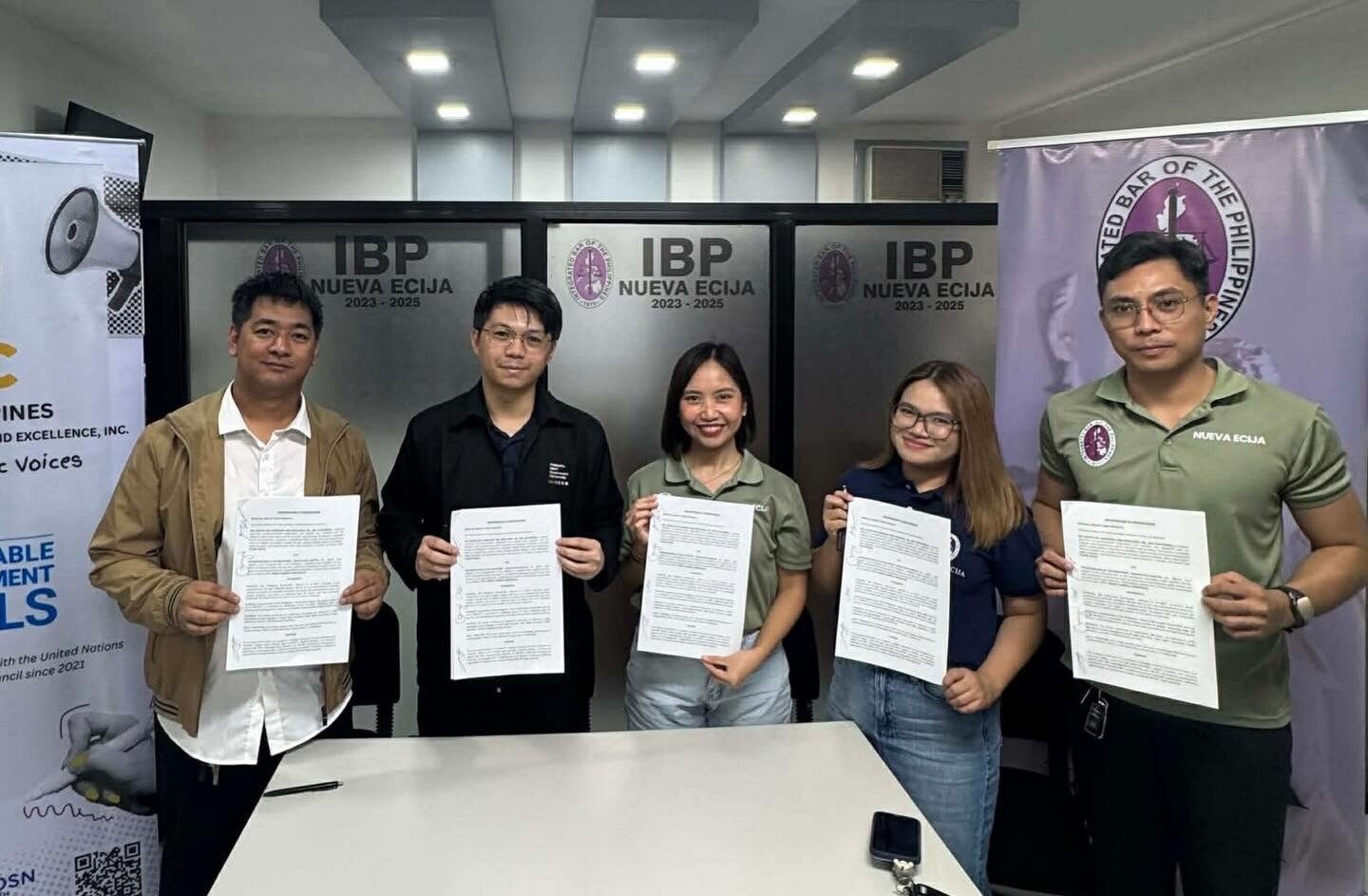
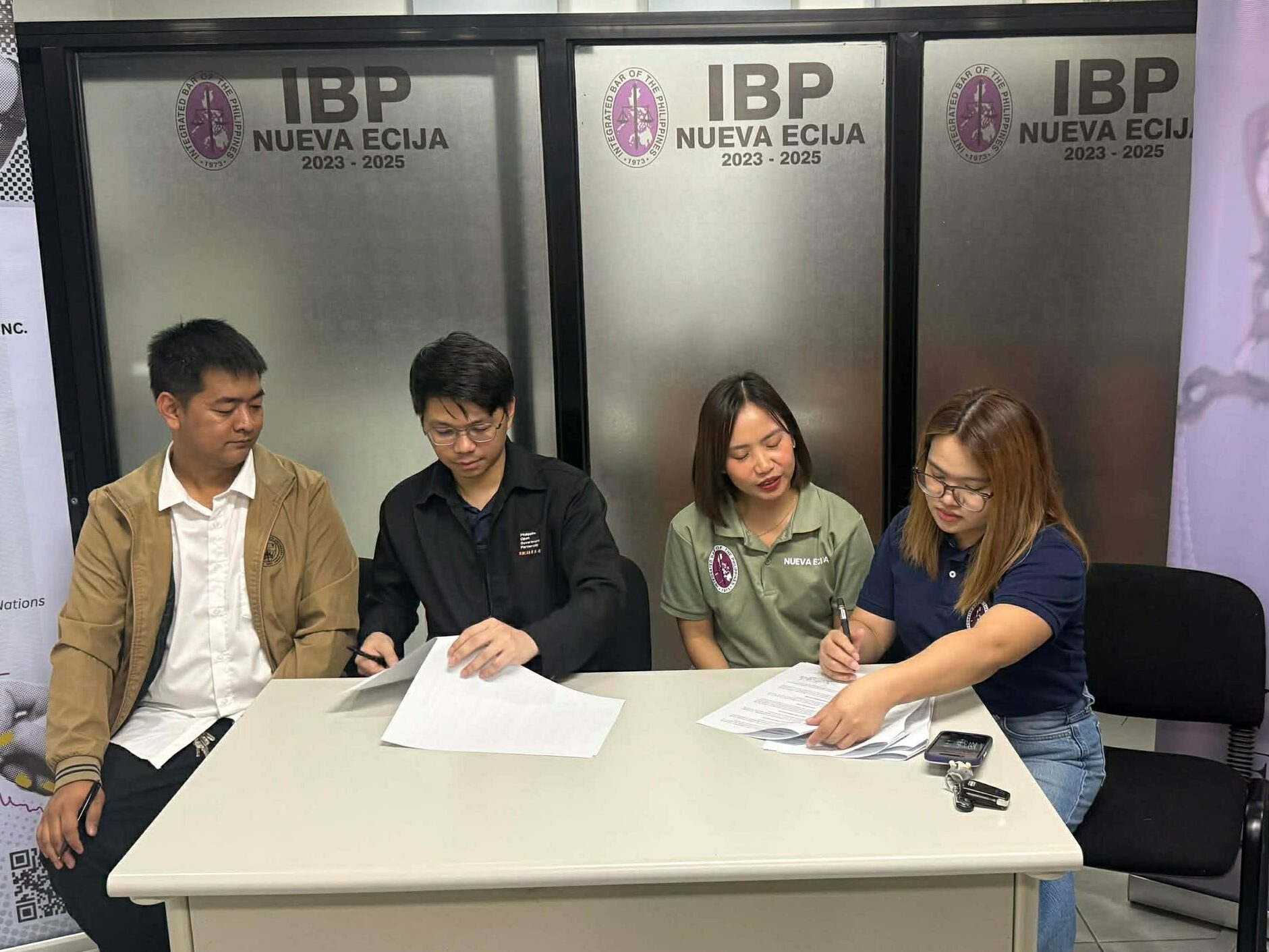
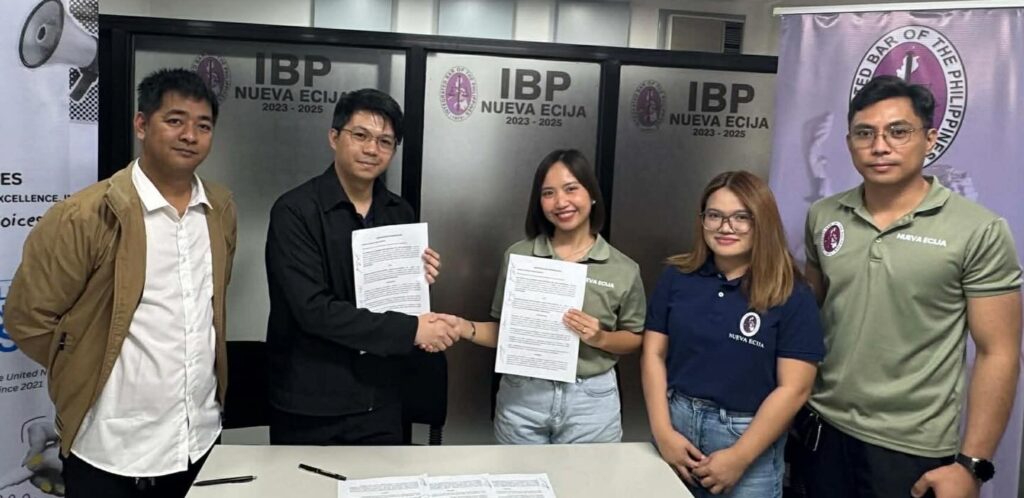
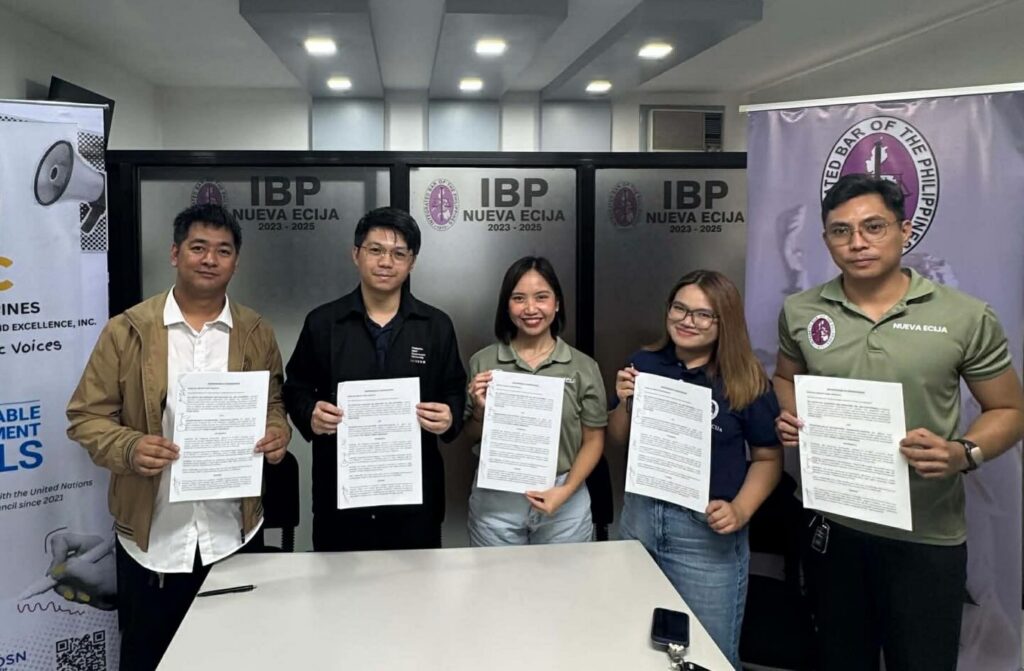
    CABANATUAN CITY, NUEVA ECIJA — On February 28, 2026, the Integrated Bar of the Philippines – Nueva Ecija Chapter (IBP-NE) has formally entered into a two-year Memorandum of Understanding with the SKC Center for Leadership and Excellence, Inc. (SKC Philippines), establishing a strategic collaboration aimed at strengthening youth access to justice and expanding civic engagement initiatives at both national and international levels.

    As the official organization of all lawyers in the Philippines, the Integrated Bar of the Philippines is mandated to uphold the integrity of the legal profession, promote continuing professional development, and advance public service through legal aid and community engagement. Through this partnership, IBP Nueva Ecija reinforces its commitment to bringing legal services closer to communities, particularly young people who face barriers in understanding their rights and accessing remedies under the law.

    “This collaboration allows us to proactively engage young people in preventive legal education and community-based access-to-justice programs,” said Atty. Maria Carmela Wenceslao, Chapter President of IBP Nueva Ecija. “By working directly with youth leaders, we strengthen not only their awareness of legal rights but also the capacity of our lawyers to deliver responsive and community-centered service.”

    The partnership establishes a framework for coordinated outreach programs, legal literacy initiatives, and professional development opportunities for members of the legal sector. A Joint Committee composed of representatives from both institutions will oversee program implementation beginning in the second quarter of 2026.

    SKC Philippines, a national youth-led organization, holds special consultative status with the United Nations Economic and Social Council and is active in regional peacebuilding and climate advocacy platforms. Through this agreement, IBP Nueva Ecija and SKC will pursue joint representation in relevant international platforms, including engagements at the United Nations, ensuring that both legal and youth perspectives contribute to global conversations on justice, governance, and sustainable development.

    “Providing young people with clear pathways to seek legal assistance is fundamental to building informed and resilient communities,” said Atty. Jo Anne Padilla, Legal Aid Chairperson of IBP Nueva Ecija. “This partnership enables us to extend the reach of legal aid services across Central Luzon while mentoring the next generation of civic leaders.”

    The signing ceremony was attended by IBP Nueva Ecija officers including Atty. Wenceslao, Atty. Padilla, and Atty. Jubail Esteban. Representatives from SKC Philippines were led by Founder and Board Chairman Ellirie Aviles and SKC Regional Ambassador for Central Luzon Devin Carl Padilla Sagun, MPA.

    By combining IBP’s institutional mandate and legal expertise with SKC’s nationwide youth network, the partnership aims to reduce systemic barriers to justice, enhance legal awareness among young Filipinos, and foster sustained collaboration between the legal profession and youth communities.

    This agreement marks a significant step in IBP Nueva Ecija’s continuing mission to advance access to justice, strengthen public trust in the legal system, and ensure that the law serves all sectors of society, especially the youth.

  • M’ranao: Preserving the Culture and Identity through Resilience

    M’ranao: Preserving the Culture and Identity through Resilience

    While walking the streets of Jakarta, my thoughts wandered back to Lanao del Sur, especially Marawi City. Every encounter with locals became a quiet rediscovery of my own identity. In the traces of a once-shared Indo-Malay ancestry, I found familiar features, language, and foodways. Even in my studies, I encountered surprising similarities between Tagalog and the local and tribal languages of different parts of the Philippines. Yet amid this moving discovery, one question remained: how do we preserve identity when so much of what once defined us has been reduced to ashes?

    Who We Are

    On the first day of classes in Jakarta, we were asked to introduce ourselves. As often happens when I mention Marawi, my Indonesian classmates responded with the same association: “Marawi siege?” But beyond the image of destruction that so often defines the city in public memory, there exists a culture, a tradition, and a cuisine shaped by centuries of living identity.

    Lanao del Sur is one of the provinces of the Bangsamoro Autonomous Region in Muslim Mindanao (BARMM), with Marawi City as its capital. The province is bordered by Saguiaran to the north, Ramain to the east, Marantao to the west, and Lake Lanao to the south. The lake has long sustained the region through marine life, water resources, and hydropower. The word M’ranao combines M’, meaning “people,” and Ranao, meaning “lake,” referring to the people who live by Lake Lanao.

    Culture and Tradition

    Okir is the M’ranao term for geometric ornamentation, reflected in carving traditions shaped by intricate forms and patterns. The word closely resembles the Indonesian ukir, which also means carving. These motifs often feature the Sarimanok or Papanok a Mra, a legendary bird commonly depicted as a rooster, and can be seen in landap, visual art, and house design.

    Kulintang is a Maranao gong ensemble composed of eight gongs of varying sizes. Other traditional instruments include the biyula, which resembles a modern flute, and the kobbing, similar to the Philippine jaw harp made of bamboo. Oral tradition also lives through kambayok, a form of singing used to pass down M’ranao history and literature across generations.

    Torogan is the traditional royal house of the M’ranao and a symbol of high social standing, often associated with datus and sultans. Typically built as an open interior space without partitions, it serves not only as a residence but also as a social hall for gatherings and community life.

    Kakhawing often unfolds over three days, with each day marked by distinct social activities and feasting before the wedding itself. Traditional games are part of the celebration, including Kasipa sa Manggis or Kasipa sa Lama, a form of sipa played using landap, as well as Kaplagod, which many M’ranao associate with horse racing.

    Among the best-known M’ranao foods is palapa, a condiment often served as an appetizer and cherished in everyday meals and gatherings. There is also mamis, a term linked to sweetness and desserts that hold an important place in weddings, housewarmings, post-childbirth feasts, and kanduwali, or mourning gatherings. In this way, food remains present across the full arc of life.

    Values

    M’ranao communities place deep importance on education, especially higher learning. Marawi is home to Mindanao State University, established in the 1960s and now expanded into several campuses across the country. Alongside formal schooling, many students also pursue Islamic studies on weekends, reflecting a commitment to both academic and religious formation.

    Marawi is often recognized as the only “Islamic City” in the Philippines, shaped by a conservative religious and cultural life distinct from other Muslim communities in Mindanao. Visitors are welcome, and while wearing a veil is not required, modest dress is generally observed out of respect for local customs.

    Katutunganaya (family orientation) and Kapapagariya (brotherhood) remain central M’ranao values. These are visible in weddings, where relatives help support family members who may struggle with the financial demands of marriage, and in times of mourning, when families are visited and accompanied in solidarity.

    Marawi also holds historical significance as the zero-kilometer point of Mindanao, the original reference point for the island’s roads. Older generations remember a time when embroidered langkit designs for traditional landap were exchanged through barter with traders from many places, including America, India, China, Malaysia, and Indonesia. These memories speak to Marawi’s long history as a place of exchange, artistry, and encounter.

    Above all, Marawi remains a welcoming city where M’ranaos and non-M’ranaos live side by side. For visitors, the city opens itself through hospitality, especially when approached with respect and local guidance.

    Resilience

    Following the destruction of a major commercial center in Lanao del Sur, along with mosques, homes, artifacts, and places deeply tied to memory and identity, the M’ranao people endured. In the days after the first fires, a local market quickly emerged along the highway in Saguiaran, restoring access to daily necessities even amid uncertainty. Despite loss and displacement, the community continued forward with determination, carrying its culture not only in what was built, but in what refused to disappear.

    We are still here, and we remain hopeful for the future.